The GPHG's comeback brands
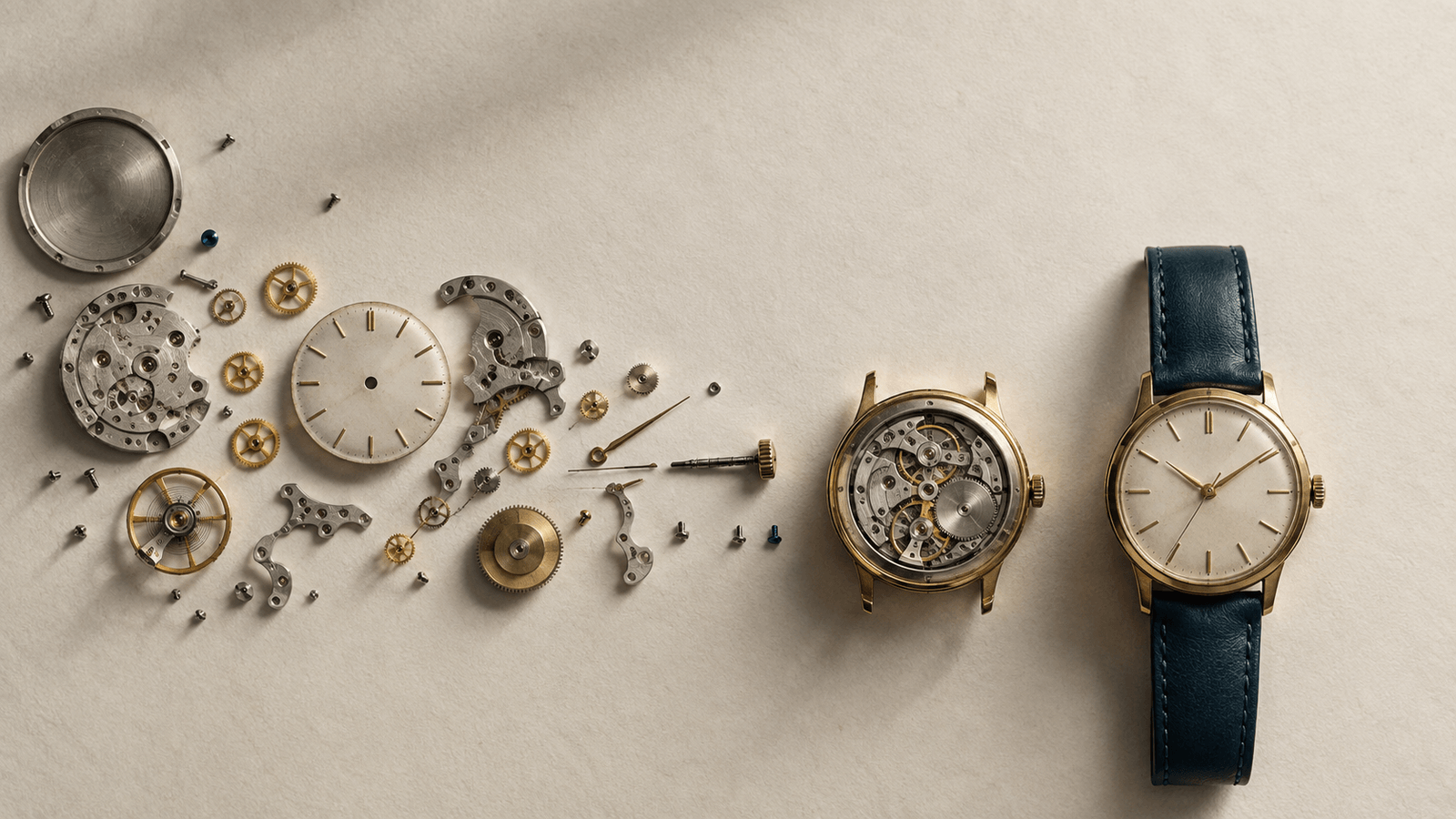
There are second acts: the GPHG's comeback brands
"There are no second acts in American lives," Scott Fitzgerald once jotted. He never worked in watchmaking, where there is almost nothing but second acts. This is the mirror image of the last piece on the brands that walked away — the ones who walked back.
Last time out I counted the departures: roughly a third of everyone who has ever entered the Grand Prix d'Horlogerie de Genève has quietly stopped turning up, and I left a watchlist of once-regular names who had gone ominously quiet. What I did not do was look the other way down the same street — at the brands who disappeared for years and then, against the usual run of things, came back.
There are far more of them than I expected. Of the 725 brands that have entered the GPHG across its 26 editions, 178 have a gap of three years or more between two of their appearances, and 62 of those sat out five consecutive editions or more before returning. Most of that traffic is small independents drifting in and out as budgets allow. But hidden in it are some of the most interesting stories in the whole dataset: dormant names literally brought back from the dead, grand old maisons deigning to submit again after a decade of silence, and — the question I actually wanted answered — whether coming back does a brand any good at all.
The entry-by-entry record that makes this answerable lives on the Brands and Compare pages; everything below is pulled from it. The database can tell you when a brand vanished and when it returned, but it cannot tell you why.
The genuine revivals
The purest comebacks are the names that didn't just skip a few editions but effectively ceased to exist as going concerns, and were then deliberately switched back on:
| Brand | Last seen | Back in | Years dark | What changed in the gap (external context) |
|---|---|---|---|---|
| Daniel Roth | 2009 | 2024 | 15 | Name mothballed by Bulgari, then revived in 2023 by LVMH under Louis Vuitton's La Fabrique du Temps atelier |
| Gérald Genta | 2008 | 2025 | 17 | Relaunched as a standalone label by Bulgari |
| Favre Leuba | 2007 | 2025 | 18 | One of Switzerland's oldest marques (est. 1737), dormant for years, relaunched under new ownership |
| Bremont | 2009 | 2024 | 15 | A 2023 outside investment led by financier Bill Ackman and a wholesale management overhaul |
| Vianney Halter | 2013 | 2026 | 13 | The independent watchmaker returns through a collaboration |
Daniel Roth is the textbook case. The man founded his own brand in 1989; the name was bought by Bulgari in 2000 and gradually shelved. Then in 2023 LVMH dusted it off, handed it to the same Louis Vuitton atelier that builds its most serious complications, and submitted a watch to the GPHG in 2024 for the first time in fifteen years. It won its category. Do that once and it's a curiosity; Daniel Roth then did it again in 2025. Two entries back, two prizes.
Gérald Genta — the other name Bulgari owns and has now revived — followed almost the identical arc, winning the Ladies' prize in 2025 on its first appearance since 2008. Then there are the survivors rather than the resurrections: Bremont, the British marque, came storming back in 2024 after a near-death corporate reset with a dozen entries in three years; and Vianney Halter, one of the one-shot winners I wrote about earlier, reappears in the live 2026 field thirteen years after his last entry.
The lapsed regulars
A second, quieter group never went anywhere as businesses — they simply couldn't be bothered with the Geneva jury for a decade, then changed their minds. Breguet skipped eleven years and came back in 2025. Vacheron Constantin — the marquee name on my dead-brands watchlist — had already staged its own return in 2017 after six years away. Blancpain is back in the 2026 field after last entering in 2015. These aren't revivals so much as a grand house strolling back into a room it left, which turns out to matter a great deal for how they perform.
So — do comebacks actually win?
Here is the part I genuinely didn't expect. You would assume a brand returning cold, after years out of the game, would come back rusty. The opposite is true. Across all 178 returnees, the prize strike rate rises after the hiatus — from roughly one prize per 21 watches entered before the break to one per 13 after it. On their very first edition back, 62 of them landed a nomination and 25 won a prize outright.
The mechanism isn't mystique; it's discipline. Brands that used to carpet-bomb the competition with a dozen watches a year tend to return with one or two, chosen carefully. Fewer, better entries convert at a far higher rate. The headline names show it starkly:
| Brand | Years away | Before the gap (entries / prizes) | Since returning (entries / prizes) | Prizes per entry, before → after |
|---|---|---|---|---|
| Daniel Roth | 15 | 10 / 0 | 3 / 2 | 0.00 → 0.67 |
| Breguet | 11 | 23 / 6 | 1 / 1 | 0.26 → 1.00 |
| Vacheron Constantin | 6 | 73 / 6 | 9 / 4 | 0.08 → 0.44 |
| Gérald Genta | 17 | 8 / 0 | 2 / 1 | 0.00 → 0.50 |
| Omega | 8 | 7 / 0 | 3 / 1 | 0.00 → 0.33 |
| Jaquet Droz | 8 | 20 / 0 | 8 / 1 | 0.00 → 0.12 |
Breguet's single comeback watch, the Classique Souscription 2025, didn't just win — it took the Aiguille d'Or, the show's top prize, on a strike rate of one-for-one. Vacheron came back from six years out and converted four of nine entries into prizes, a rate it never managed in its high-volume years. Even Omega's comeback watch, fittingly, won the Revival prize in 2014.
It isn't universal — 34 brands did come back worse than they left, and 117 (mostly minor independents) neither won before nor after — but the direction is clear. Returning to the GPHG is, on the whole, a sign a brand has something it's confident about, and it shows up in the results.
Does the model forgive the gap?
This is where it gets interesting for anyone reading the predictions. The model's single most powerful signal is brand pedigree — a brand's accumulated history of entries, nominations and wins. A long absence starves exactly that signal. So does the model penalise a returning brand, or does the old pedigree carry over?
Both, and the split is revealing. For a genuinely revived name, the model gets it badly wrong. When Daniel Roth reappeared in 2024, the model rated its watch just 6 out of 100 — dead last of the six finalists in its category. It won. Breguet's Aiguille d'Or winner scored a mere 10 out of 100. Gérald Genta's 2025 winner: 20, and second from bottom. A revived name has a thin, stale record, the pedigree signal collapses, and the model dismisses precisely the watches the jury then garlands — the same blind spot that made it miss the one-shot debutants.
For a lapsed regular, the opposite holds. Blancpain walks back into the 2026 field and the model hands it 54 out of 100 — top of its category — because 25 years of accumulated pedigree swamps an eleven-year gap in participation. Vacheron's 2020 return was scored 43 and ranked first, and duly won. The gap only fools the model when there's little pedigree left to fall back on. Give it a deep enough history and a decade of silence barely dents the score.
The tell that the model is measuring reputation rather than the watch is what happens next: two entries after its resurrection, Daniel Roth's pedigree has been rebuilt just enough that the 2026 model now rates its Extra Plat 58 out of 100, top of its class — a tenfold jump, for a brand that is objectively no more established than it was in 2024.
Who's mid-comeback right now
The 2026 edition is thick with second acts still in progress: Blancpain, Vianney Halter, Favre Leuba and Gérald Genta are all freshly returned, and L.Leroy is back after a startling 25 years away — the longest round trip in the dataset. Watch them the way you'd watch a promoted side's first season: the model will systematically underrate the revived names and overrate the grand ones, and the gap between those two errors is where the fun is.
And the roll call isn't closed. My dead-brands watchlist flagged Christophe Claret as bought and bound for a 2027 return; Vacheron has already completed its comeback; and any one of the grandes maisons sitting in the "gone quiet" pile could, on the evidence here, walk back in and win on the first attempt. Fitzgerald was wrong about the second act. In watchmaking it's practically the whole play.
Frequently asked questions
Which watch brands have made a comeback at the GPHG?
Plenty. Across the competition's 26 editions, 178 brands have returned after a gap of three years or more. The most striking recent comebacks are Daniel Roth (back in 2024 after 15 years), Gérald Genta (2025, after 17 years) and Favre Leuba (2025, after 18) — all revived names — alongside grandes maisons such as Breguet, Vacheron Constantin and Blancpain, who simply stopped entering for years and then returned.
Do watch brands that return to the GPHG win more prizes?
On the whole, yes. A returning brand's strike rate rises from about one prize per 21 watches entered before its break to one per 13 after it, because brands tend to come back with fewer, more carefully chosen entries. Twenty-five brands won a prize in their very first edition back — Breguet took the top Aiguille d'Or on its single 2025 comeback watch, and Daniel Roth won twice in three entries.
Why did Daniel Roth return to watchmaking?
The Daniel Roth name was bought by Bulgari in 2000 and gradually shelved, then revived in 2023 by LVMH under Louis Vuitton's La Fabrique du Temps atelier. Its first GPHG entry in fifteen years, in 2024, won its category — and it won again in 2025.
Does the GPHG Index prediction model account for a brand's long absence?
Only partly, and that is its blind spot. The model's strongest signal is brand pedigree, which a long gap starves. It badly underrated the revived names — scoring Daniel Roth's 2024 winner just 6 out of 100 and Breguet's Aiguille d'Or winner 10 out of 100 — yet still rated lapsed grandes maisons like Blancpain highly on their return (54 out of 100), because decades of history outweigh a few missed years.
What is the longest gap between GPHG appearances?
L.Leroy returned to the 2026 edition after last entering in 2001 — a 25-year absence, the longest round trip anywhere in the dataset.