Marking the model's homework
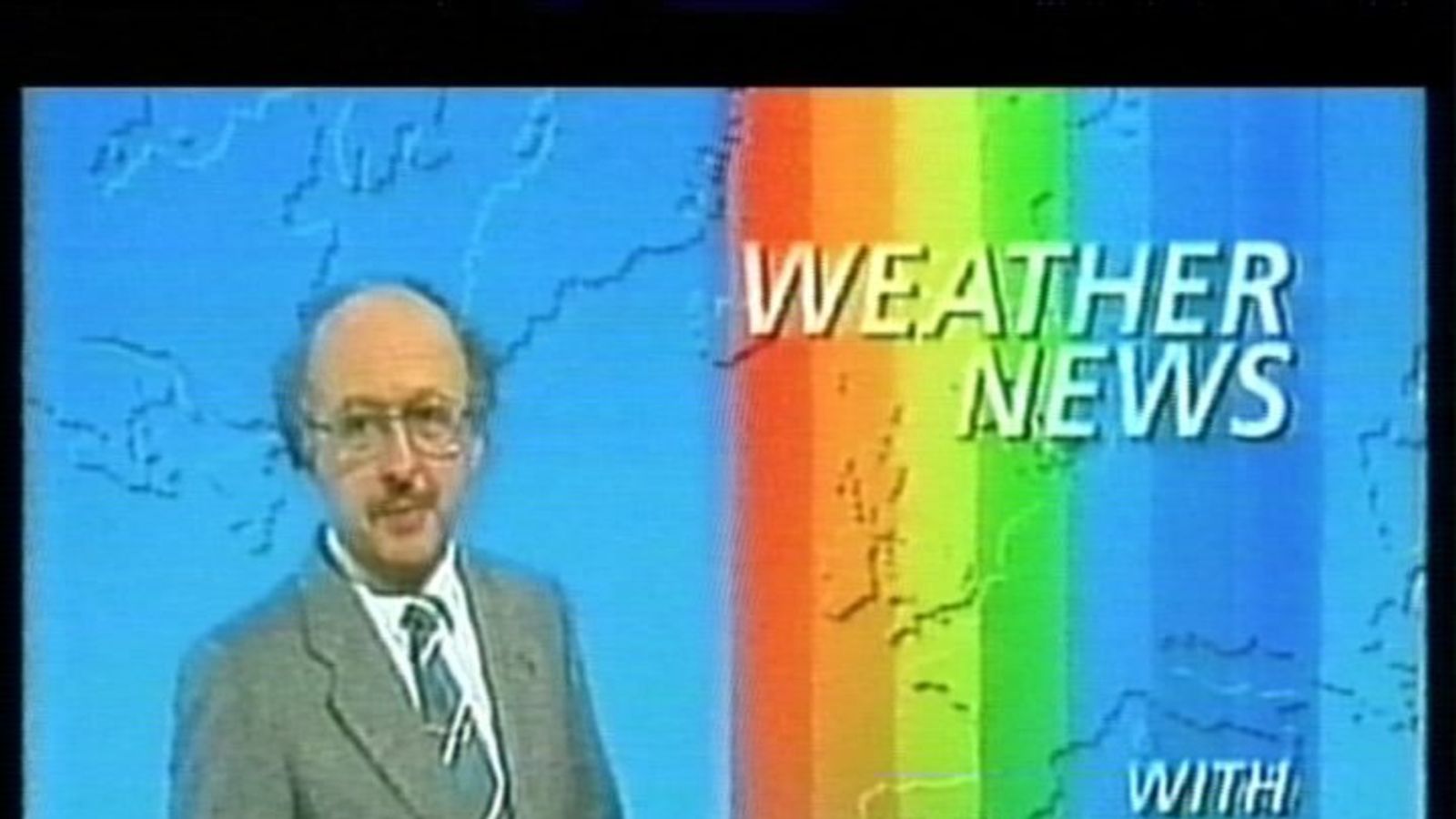
In October 1987, a viewer telephoned the BBC to say she had heard a hurricane was on the way. Michael Fish, live on air, was reassuring: "don't worry, there isn't." A few hours later the worst storm in three centuries pulled some fifteen million trees out of the English ground. Mr Fish has spent the thirty-nine years since patiently explaining that, technically, it was not a hurricane — which is precisely the sort of thing a man says when he has been caught out by the weather in front of an entire nation.
You might rightly be wondering what a misjudged 1987 weather bulletin has to do with Swiss watches. The connection is this: a few weeks ago the GPHG Index model made its own forecast — which watches would be shortlisted at the 2026 Grand Prix d'Horlogerie de Genève — and this week the Academy published the answer. So, in the finest tradition of British broadcasting, it is time to mark the forecaster's homework.
Six of the best
The GPHG shortlist is a tidy thing: six watches in each of fourteen categories, eighty-four in all. Before that list existed, the model had read all 320 entrants and named its own six per category. Set the two side by side and it caught 43 of the 84 eventual nominees — a little over half. On the same fields a blind guess would land about 37%, so that is a genuine edge of roughly 1.4 times. Respectable. Not hurricane-proof, but respectable.
The average, though, hides the interesting part. The model flattered itself in the small categories and came unstuck in the large ones. In Jewellery and among the Mechanical Clocks — seven entrants apiece — it correctly picked five of the six. Impressive, until you realise that a monkey with a hatpin, asked to choose six watches from seven, would also get five right; there is simply nowhere to hide in a field that small. The honest test is a crowded one, and here the model earned its keep in the middle of the range — four of six in both Chronograph and Gemset — before being thoroughly routed in the scrum. In the Challenge category, sixty-two watches scrapping for six places, it managed precisely one. (In fairness, so would most of us.)
Pedigree, quantified
Why does it do as well as it does? Because the single loudest signal, by a distance, is a brand's own history at the competition. The model is, in effect, a very diligent student of form: it rewards the houses that have been shortlisted before and is quietly sceptical of the newcomer, however lovely the watch on the table. That is a faintly deflating thing to learn about a prize that likes to present itself as a meritocracy of the object — though it does make the one-shot brands, the handful who entered once and won, look more remarkable than ever.
There is a quieter public service going on here, too. Once the shortlist is announced, the GPHG's own website quietly removes the couple of hundred watches that did not make it, as though they had never turned up. The Index keeps every one of them — all 320 — which means that, for the also-rans of 2026, this is now the only surviving record that they entered at all. Not every database is a memorial, but this corner of one is.
Now for the hard part
Predicting the shortlist was the easy question. The hard one starts now, because a second model takes over — the one that asks, of the six finalists in a category, which actually wins. Early on it rather likes a Daniel Roth Extra Plat in Essential (58%), Bulgari's Octo Finissimo 37 in Time Only (57%), and, among the clocks, L'Épée's splendidly named Gekko. You can see the full set of picks here. These are not odds and they are certainly not tips: a jury of human beings has the final word in November, and human juries are, thankfully, far harder to model than the weather.
Which is rather the point. The model will never look you in the eye and promise there is no hurricane coming. It simply puts a number on it, shows its working, and waits to be marked — which is a good deal more than we ever got out of Michael Fish.